
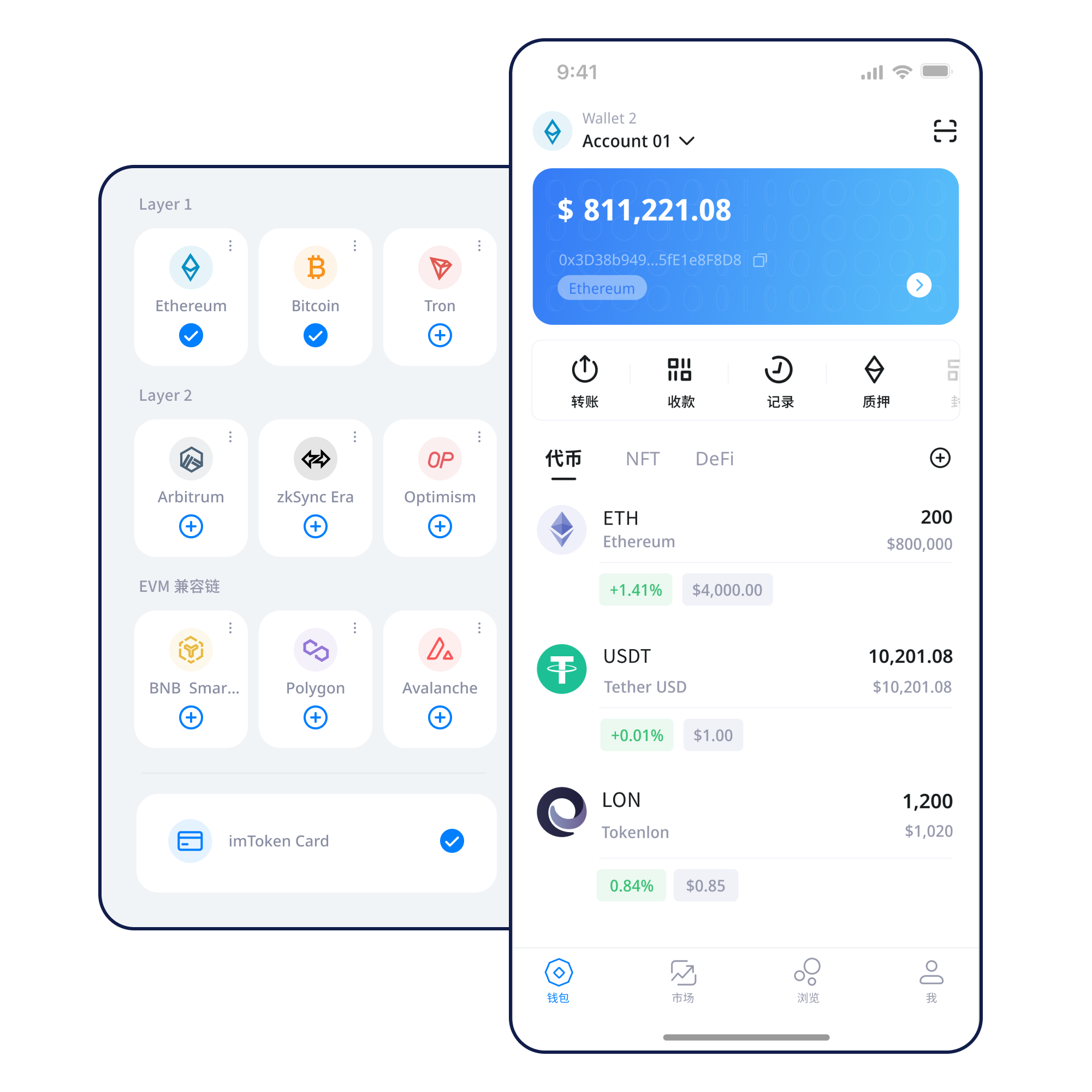
Core Capabilities and Boundaries
Wallet & Assets Overview is presented around real decisions rather than a list of features. A wallet user has to understand how multi-chain assets, network selection and address verification relate to the same on-chain action. imtoken places these concepts in one practical flow so a user can review the network, destination and request before acting, then use transaction records and on-chain evidence to verify what happened afterward. For multi-chain assets, keep the relevant network, address or status reference and verify it again before the next action. Important states should be understandable from wallet records or on-chain evidence rather than from hidden assumptions.
Typical Use Cases
Start with multi-chain assets. It determines the first object or condition you should identify. Compare it with network selection and confirm that both belong to the intended network and action. Then review address verification, because a mismatch in the destination, network or permission scope can cause assets to appear in an unexpected place or can create an irreversible on-chain result. For network selection, keep the relevant network, address or status reference and verify it again before the next action. Important states should be understandable from wallet records or on-chain evidence rather than from hidden assumptions.
- multi-chain assets
- network selection
- address verification
- transaction confirmation
From Action to On-chain Confirmation
In everyday use, transaction confirmation is commonly connected to cost, permissions or a state change. Read the request itself rather than relying only on the button label. If asset display or transaction history is relevant, keep verifiable references such as the transaction hash, contract address or network name and compare wallet records with a trustworthy block explorer when appropriate. For address verification, keep the relevant network, address or status reference and verify it again before the next action. Important states should be understandable from wallet records or on-chain evidence rather than from hidden assumptions.
Security Principles
Keep seed phrases and private keys under your own control. Legitimate support should never ask you to disclose a seed phrase, private key or verification code. Because blockchain transfers generally cannot be reversed by a wallet provider, verify the address, network and amount before sending. For DApps, signatures and token approvals, also review the requesting site, the spender and the permission scope. For transaction confirmation, keep the relevant network, address or status reference and verify it again before the next action. Important states should be understandable from wallet records or on-chain evidence rather than from hidden assumptions.
Questions to ask yourself
- Is the network the one I intended to use?
- Do I recognize the destination, contract or spender?
- Can I explain what will change after I confirm?
Where to Learn Next
Consistent habits are more useful than memorizing isolated terms. For Wallet & Assets Overview, use a repeatable loop: define the goal, verify the network, read the request, complete the action, keep the record, and review permissions afterward. That process gives you concrete evidence to work from even when interfaces, network conditions or third-party services change. For asset display, keep the relevant network, address or status reference and verify it again before the next action. Important states should be understandable from wallet records or on-chain evidence rather than from hidden assumptions.
Continue learning with imtoken
Use the Academy and Security Center to connect this topic with practical wallet checks.
Open Academy →